
Understanding Children’s Dreams After a Loss


By Dr. Joshua Black
The death of someone significant (person or animal) is a deeply emotional experience for everyone, especially children. They may struggle to grasp the concept of death, leading to a whirlwind of confusing emotions. Often, these emotions manifest in dreams, creating a unique pathway for children to process their grief.
This blog post explores the importance of talking to children about their dreams after a loss and offers tips on supporting them through this challenging time.
Why Talk About Dreams?
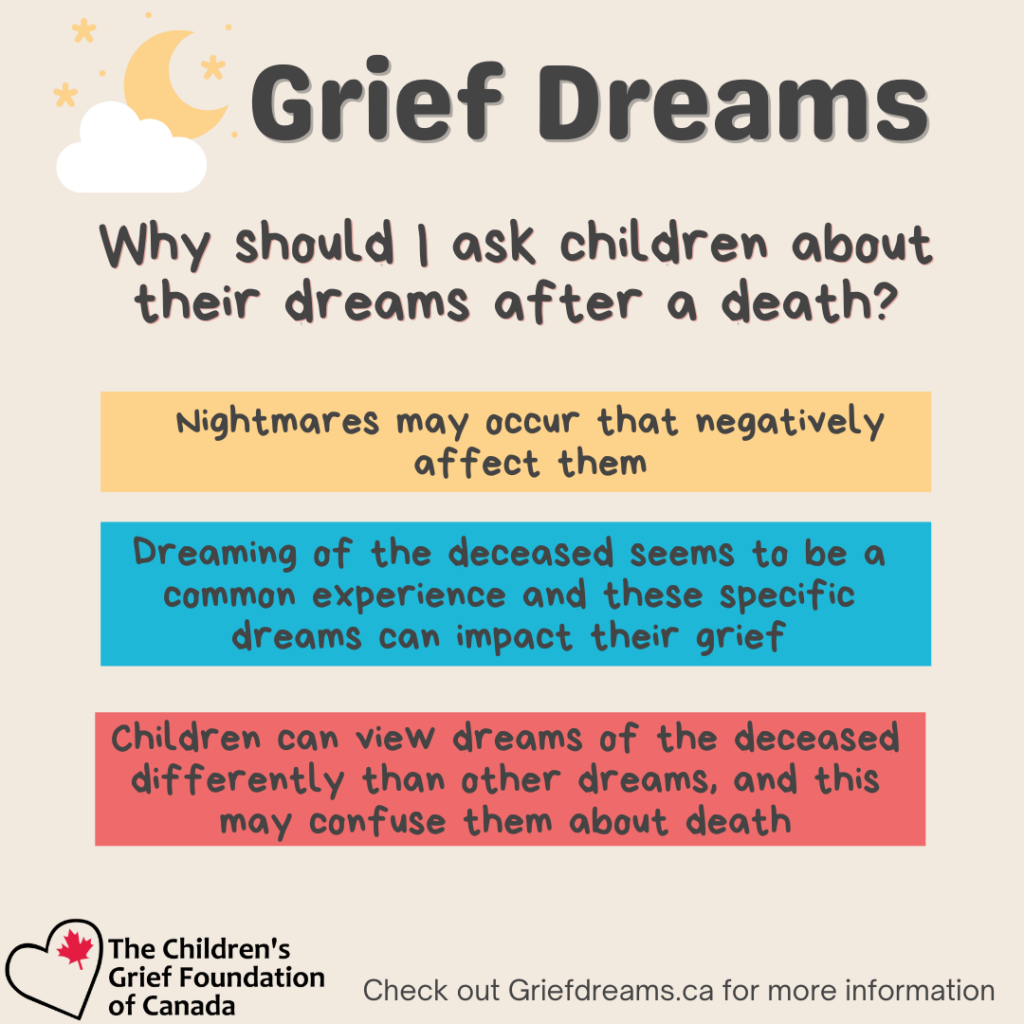
Dr. Joshua Black, a grief dream researcher, emphasizes the importance of discussing dreams with children who have experienced a loss. Here are three key reasons:
Nightmares and Emotional Impact: Nightmares may occur after a death. Talking about these dreams can help identify negative experiences that may be impacting a child’s emotional well-being.
Dreams of the Deceased: Dreaming of the deceased is a normal occurrence after a loss. These dreams can have positive or negative content, which can help or hinder a child’s grieving process. Discussing these dreams allows parents or caregivers to understand how the child is processing their loss.
Confusion Around Death: Children may view dreams of the deceased differently than other dreams. This can lead to confusion about death itself or validate stories they are telling themselves about the death (e.g., thinking they caused the death). Talking through these dreams can help clarify their understanding and reduce any negative feelings.
Helping Children Cope with Nightmares
Nightmares can be particularly disturbing for a grieving child. One technique Dr. Black suggests is called “dream re-scripting.” This involves working with your child to rewrite the narrative of the nightmare. You can:
Change the Ending: Help them create a more positive outcome for the dream.
Alter the Course: Modify events within the dream to make it a more positive experience.
The goal is to create a more comforting dream scenario that the child can focus on as they think about the dream in waking life. This can reduce the distress of the dream in waking life and prevent the dream from occurring again.
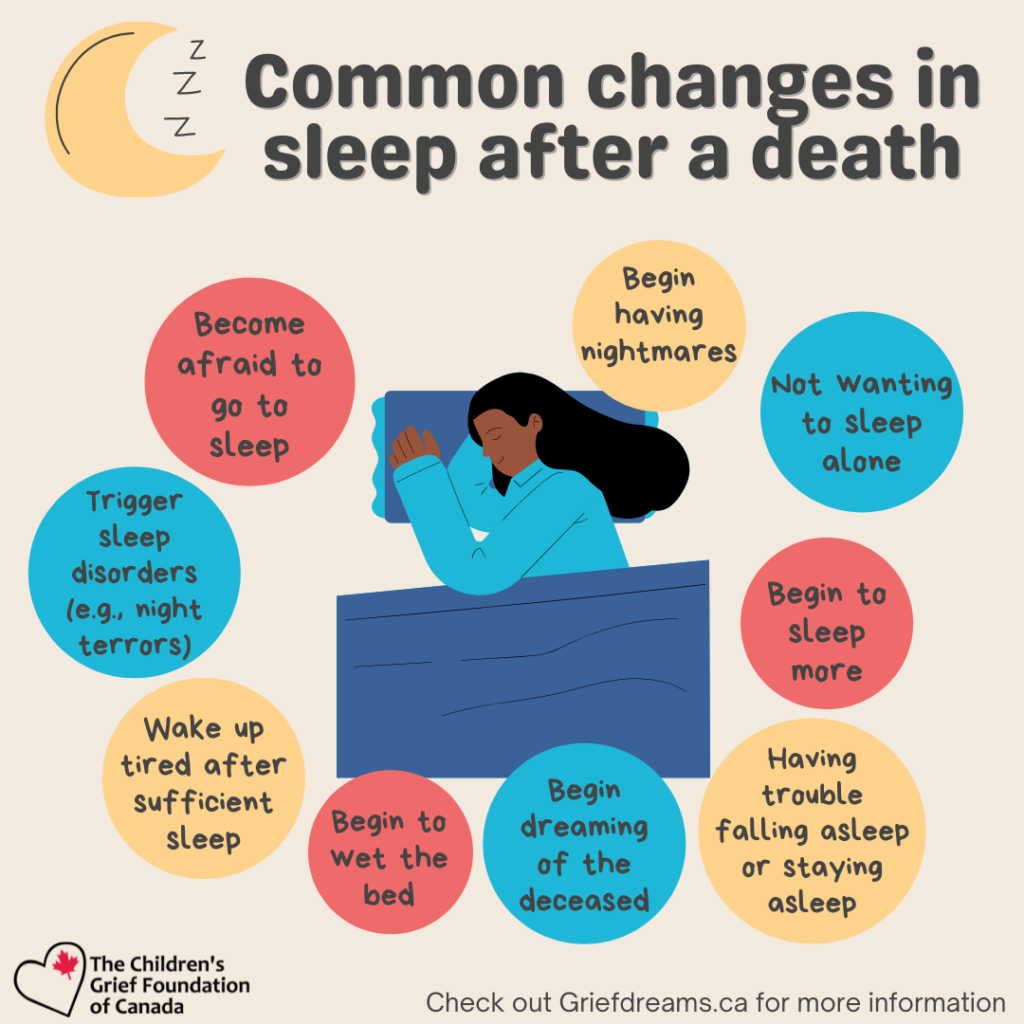
Common Sleep Changes After a Loss
It’s important to understand that sleep patterns often change after someone significant dies. Some common changes include:
– Difficulty falling asleep or staying asleep- – Anxiety about sleeping alone
- – Increased nightmares
- – Dreams of the deceased
- – Fear of bedtime
- – Excessive sleeping
- – Waking up tired despite adequate sleep
- – Bedwetting
- – Triggering of sleep disorders like night terrors
Additional Resources
Dr. Black’s website, GriefDreams.ca, also offers valuable information about grief dreams and how to help children navigate them.

Mother’s Day Activities for Grieving Kids
Mother's Day is a time for celebrating moms, but for many children, it can be a painful reminder of a mother figure they've lost – a mom, aunt, grandma, or close family friend. Even in grief, there are ways to remember and celebrate the special bond you shared with your mom. Here are a few ideas.
Grieving during the Holidays
The holiday season, whether you are celebrating Hanukkah, Kwanzaa, Christmas, or another cultural or family tradition, can feel complicated after the death of a loved one
The Loss of a Furry Friend: Helping Children Grieve a Pet
Pets are more than just companions; they become cherished members of the family. Here are some tips to help children navigate the loss of a furry friend: